Mission
The Mobile Angler chases shore angling perfection: a loadout that fits in a carry-on and has the durability and versatility to catch whatever presents itself, on any coast, on foot. We test gear honestly and publish the failures with the wins. We represent only brands that stand behind their products and keep innovating, and we intend to be part of that innovation. We fish as stewards. The fish and the water are the resource everything else depends on, and every beach gets left better than we found it. We fish for the body and the mind as much as for what is on the end of the line. And we go to see the world, one shoreline and one culture at a time.
Vision
A generation of anglers, the young ones especially, who can walk onto any beach on earth with a bag they packed themselves, fish it well and safely, and leave it better. A loadout that becomes the reference for shore fishing on foot, built with the brands that earn their place in it. Shorelines on every continent fished, written up honestly, and handed on.
The founder
I have been fishing from shore for fifty years. It started at three, chasing grunion up a California beach at night with a bucket. My passion took hold in my teens, driving Baja every winter and fishing the whole coastline on foot: there were no tackle shops between Ensenada and La Paz, so what was on my back had to handle whatever the next beach held. Fifty years later I am chasing that passion full time. The Mobile Angler is the site. Fishing on foot, from shore, with a loadout that fits in a carry-on and has the durability and versatility to catch whatever presents itself on multiple continents is the goal. Simply put, we are chasing shore angling perfection.
Mike Marmorale
Founder, The Mobile Angler
- Perfection. One bag, any coast, whatever bites.
- Stewardship. The fish and the water are the resource. Leave it better.
- Well-being. Miles on sand, early light, a clear head. The fishing is the excuse.
- Brands that stand behind their products. And innovate. We plan to be part of it.
- Youth. More kids on the beach with a rod, and a way in for them.
- Adventure. New water, new countries, new people. See the world by its shorelines.
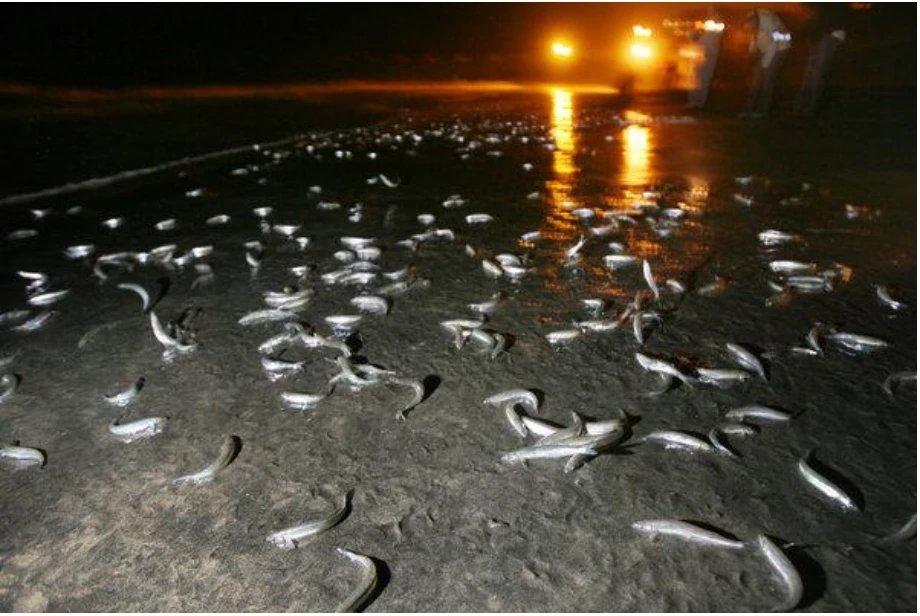
It started with grunion
I was two or three years old, on a California beach at night, chasing grunion up the sand with a bucket. That's the first fishing I remember. It also turns out to be the thesis of this entire site — no boat, no chair, everything you need in your hands, moving up the beach after the fish.
I didn't plan it that way. It just never stopped being that.
There has always been something primal in it for me — mano a mano from the beach against millions of years of evolution.
Not knowing what's on the end
I've done my share of targeted species fishing. But there is nothing like not knowing what could be at the end of the line.
That's what this site is about, and what the adventures ahead are built around: fishing where the species is an open question, and gear that is species-independent. Kit that doesn't assume you know what's coming.
The Mobile Angler I have in mind is a site that helps anglers pack out efficiently for multiple species and changing conditions — one bag that covers whatever the beach turns out to hold.
California
My formative years were fishing jetties and beaches up and down the California coast. Halibut, sheephead, stripers, surf perch and croakers. Learning which side of a jetty works on which tide, and how far you're willing to walk to find out.
I was young, and I always assumed the further out you went on the jetty, the better the fishing. Not always the case.
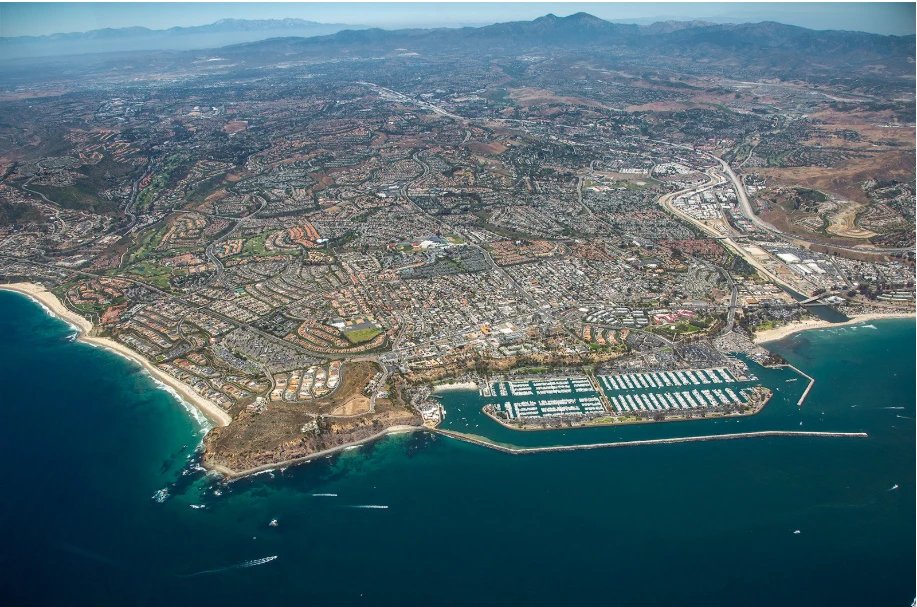
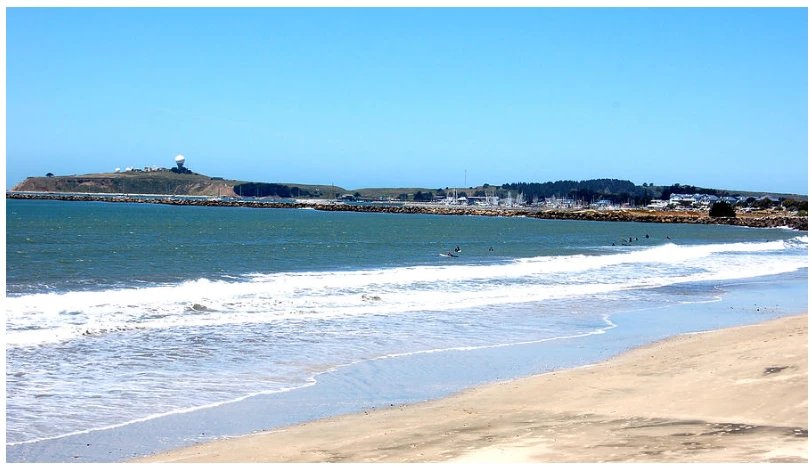
The biggest halibut I ever caught was at El Granada, just north of Half Moon Bay — off the jetty, less than thirty yards from the sand. Red and white bucktail with a blade on it for a little flash, working turbulent water. Second cast. Thirty-five pounds.
It wasn't without a struggle. No gaff, slippery rocks, genuinely dangerous. I had my girlfriend holding the rod while I screamed keep pressure! and shoved my hand into its mouth. It bit down, left some nice gashes, and nearly broke my wrist wrestling my arm.
Worth every bit of it.
The drive to Los Barriles
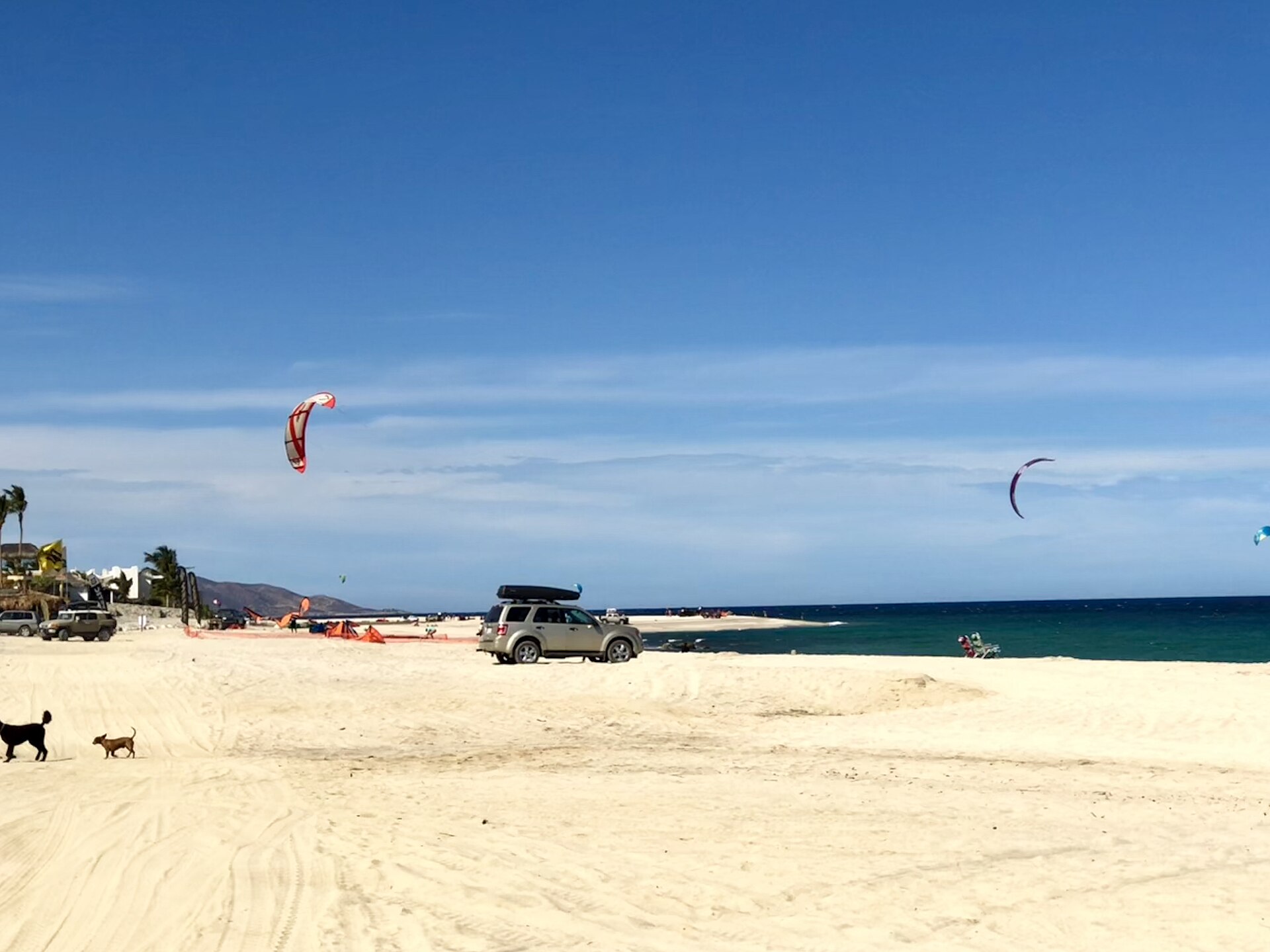
In my teens we drove from California down to Los Barriles, in Baja California Sur, and fished the coastline the whole way. My dad was obsessed with windsurfing, and Los Barriles in winter was one of those spots that made the windsurfing magazines. So it was a perfect partnership — he drove, he windsurfed all day, I fished all day, and I brought home dinner.
Grouper, pargo, ladyfish, snook, sierra, roosterfish. Diving for lobster and scallops when the fishing went quiet was the norm.
Hiking down cliffs that were borderline not traversable back up, to fish a spot that maybe nobody had ever fished on foot — that was exciting enough to become an obsession.
Three weeks of it every winter until I was about nineteen. Moving down the coast, fishing whatever the next beach offered with whatever was in the RV.
There were no tackle shops between Ensenada and La Paz, so packing my equipment to handle every situation became compulsive.
Those years set the stage for the rest of my life. The pillars of my professional career — planning, efficiency, patience, and risk at the appropriate times — were all honed on the coastlines of Baja. They are the reason this site exists in the shape it does.
The Punta Chivato situation
On the last trip we took down Baja, I was geared up and ready. I'd spent four months preparing, slowly gathering gear, organizing it by color, purpose and conditions. I knew this annual trek couldn't last forever — I was nineteen, in college, and working responsibilities were piling up. I didn't know it would be the last time I traversed Baja, but I prepared like it was.
We made our way down the peninsula, stopping along the way, catching the usual suspects. Then we planned a stop at somewhere new: Punta Chivato.
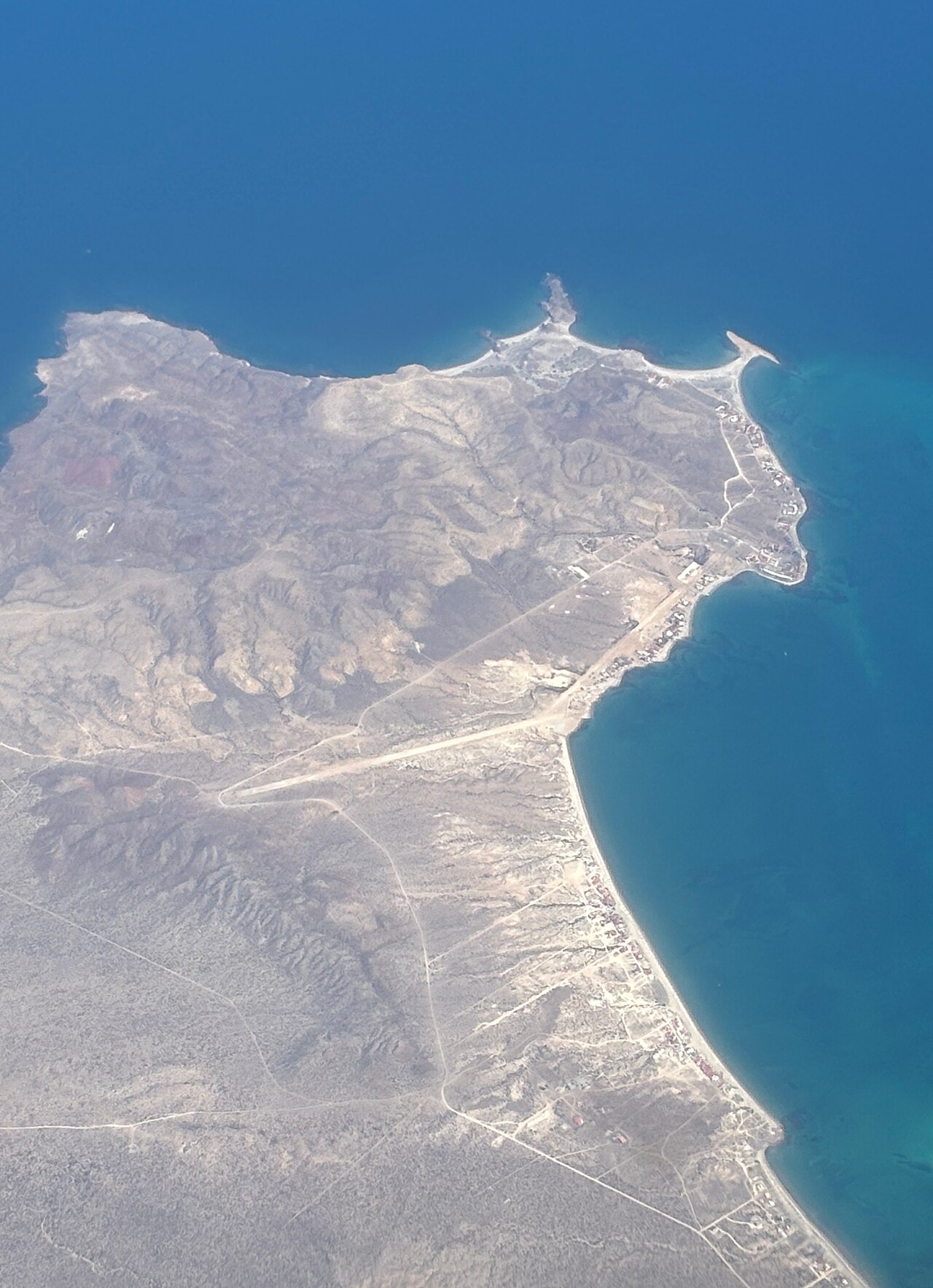
The dirt road in was long. What was at the end of it was a beautiful beach, a small hotel, and an airstrip for light aircraft. We got the RV situated for a couple of days and I immediately started scoping the terrain and the water.
What I noticed was a very distinct rock and reef landing — the actual punta chivato — ten or fifteen yards wide and forty to sixty yards long. It looked promising, and nobody was fishing it. The sun was going down but I went and scouted it for thirty minutes.
It looked fishy. I could hardly sleep.
Dawn patrol
Up and ready at 5:30, down the beach to the reef. As I got closer I could see action busting twenty or thirty yards off the point.
That morning became the single most memorable fishing experience of my entire life. Twelve species. Well over a hundred fish. Nothing was huge, but my arm was shot inside three hours.
While I was fishing the pocket twenty yards off shore — ladyfish, roosterfish, jacks, sierra — I noticed a nice grouper working the reef. I saved her for the last cast, for dinner. Every other fish that morning went back.
I switched my presentation to a jig with a brown and red lobster soft bait, watched for her to bust something up against the reef, flipped it in front of her, and dinner was served.
Ten days
That was the beginning of a ten-day stay.
Our two-day stop turned into ten because a flash flood washed out several bridges and roads before Loreto, cutting off the annual migration to Los Barriles and forcing us to settle in at Punta Chivato.
Those ten days turned into the greatest fishing adventure of my life. Well over a thousand fish. Twenty-plus species. All of it from shore, with everything on my back or in my hands.
The Mobile Angler.
Fifty years on
Since then: California, Hawaii, North Carolina, South Carolina, Florida, Alaska. Internationally, Mexico, Canada and Fiji. The plan from here is to expand that hard and fast.
The daydream
For a long stretch of it, though, the fishing that mattered most happened in my head. Daydreaming about fishing around the world while I was at my real job, wondering whether I could ever actually get myself to the exotic places I'd read about as a child in the fishing magazines.
A successful career in hospitality is what finally made it possible. This site is what I'm doing with that — chasing the dream properly, and bringing people who share a passion for shoreline fishing real-world gear reviews and the tales that come with them.
Why the constraint matters
Fishing on foot forces honesty about equipment in a way nothing else does. On a boat, a mediocre reel is an inconvenience. Six miles down a beach it's the reason you walk back early. Weight makes you rank things truthfully, and that ranking is what this site is really about.
Most gear advice quietly assumes a boat, a truck, or a cart parked twenty feet up the beach. None of that is any use when everything you own is on your back and the fish are half a mile further on.
What's happening now
Over a twelve-month testing period, from home water in Hawaii to Costa Rica in August 2027, the loadout gets fished across five coastlines — Baja, Molokai, Thailand, the Maldives and Costa Rica — on foot, every leg, and revised after each one, with results published as they happen. The idea is to finish with a shore kit that has genuinely earned itself, item by item, and to show the working along the way.
One of those is a return rather than a first. November goes back to Baja, the same coast that started all of this. Thailand, the Maldives and Costa Rica are new water.
If you make gear that belongs in that trial, here's how that works. If you fish this way too and think I've got something wrong, say so — that's most of the value of publishing in the first place.